The Ultimate Guide to Truck Sleeper Cab Layouts: Comfort, Efficiency, and the Open Road
The open road calls to many, and for professional truck drivers, it's a way of life. But life on the road demands more than just a powerful engine and skillful driving; it requires a comfortable and efficient living space – the sleeper cab. The sleeper cab layout is more than just a place to rest; it's a home away from home, an office, and a sanctuary. Choosing the right layout is crucial for driver well-being, productivity, and overall job satisfaction.
Truck Sleeper Cab Layout
In this comprehensive guide, we'll delve deep into the world of truck sleeper cab layouts, exploring the different types, key features, customization options, and factors to consider when selecting the perfect setup for your needs. Whether you're a seasoned trucker or just starting your career, this article will provide valuable insights to help you optimize your sleeper cab for maximum comfort and efficiency.
Why Sleeper Cab Layout Matters
The sleeper cab is the driver's personal space during long hauls. It's where they sleep, eat, relax, and often handle paperwork. A well-designed layout can significantly impact a driver's health, safety, and job performance.
- Improved Rest and Recovery: A comfortable bed and a quiet environment are essential for quality sleep, reducing fatigue and improving alertness on the road.
- Enhanced Productivity: An organized and functional workspace allows drivers to efficiently manage paperwork, plan routes, and communicate with dispatch.
- Better Health and Well-being: A well-equipped sleeper cab enables drivers to maintain a healthy diet, exercise, and relax, reducing stress and promoting overall well-being.
- Increased Safety: A less fatigued and more alert driver is a safer driver, reducing the risk of accidents.

Types of Sleeper Cab Layouts
Sleeper cabs come in various sizes and configurations, each designed to meet specific needs and preferences. Here are some of the most common types:
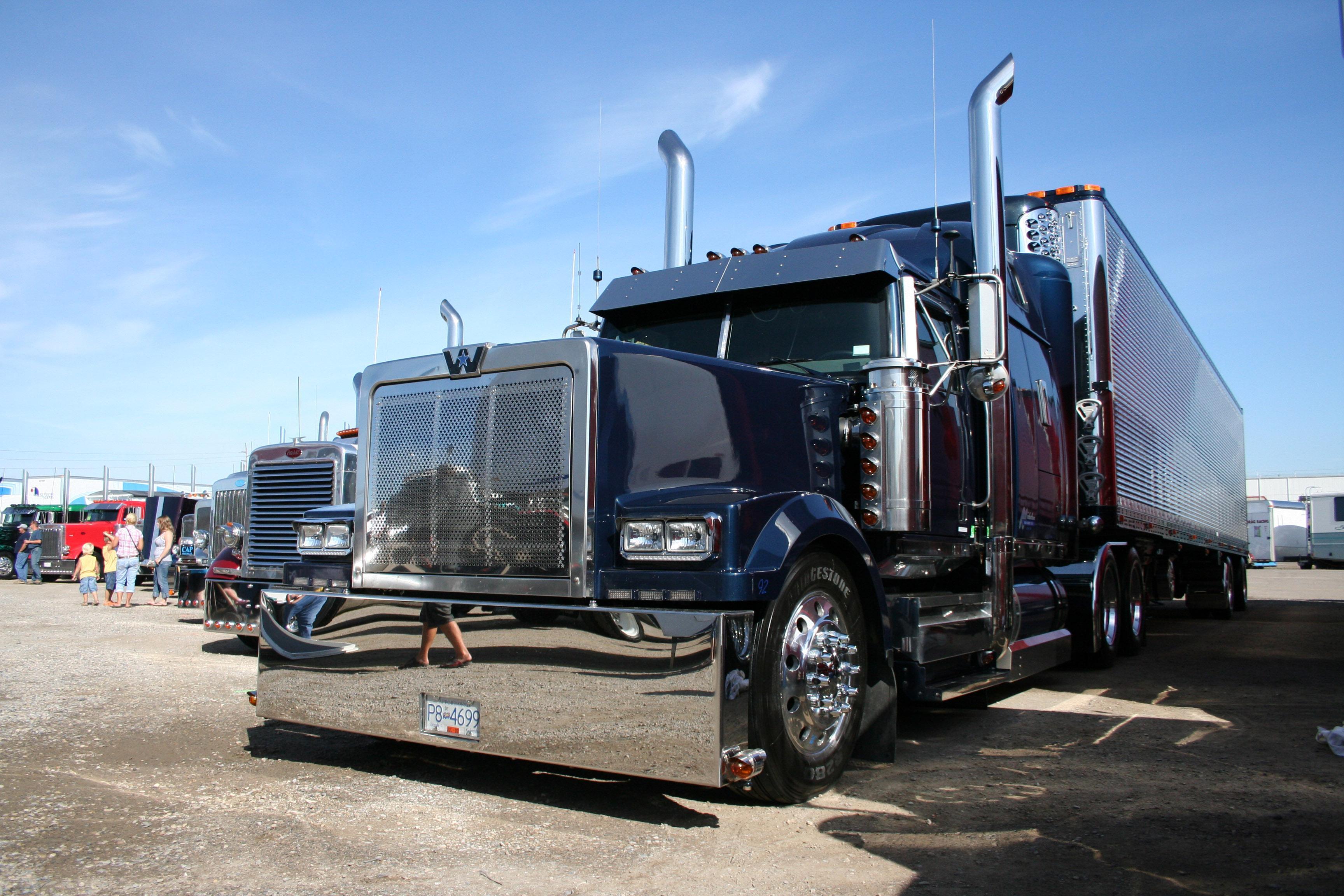
36-48 Inch Sleeper Cabs:
- These are the smallest sleeper cabs, typically found in day cabs or regional haul trucks.
- They usually feature a basic sleeping area with a mattress and minimal storage.
- Ideal for short-haul trips where drivers don't spend extended periods on the road.
- Limited space means minimal amenities.

-
58-Inch Sleeper Cabs:
- A step up in size, offering slightly more space for sleeping and storage.
- May include a small closet or overhead cabinets.
- Suitable for drivers who occasionally need to sleep in their trucks but don't require a full living space.
-
70-72 Inch Sleeper Cabs:
- A popular choice for long-haul drivers, providing a good balance of space and maneuverability.
- Typically includes a comfortable bed, ample storage, and room for a small refrigerator or microwave.
- Often features a swivel seat for added comfort and convenience.
-
80-86 Inch Sleeper Cabs:
- Offer even more living space, allowing for greater comfort and functionality.
- May include a dinette, a larger refrigerator, and a more extensive wardrobe.
- Ideal for team drivers or drivers who prefer a more spacious and luxurious environment.
-
Custom Sleeper Cabs:
- These are built to order, allowing drivers to create a truly personalized living space.
- Can include features such as a shower, toilet, kitchen, and entertainment system.
- Often used by owner-operators who spend a significant amount of time on the road.
Key Features to Consider in a Sleeper Cab Layout
When choosing a sleeper cab layout, several key features should be taken into consideration:
- Bed Size and Comfort: The bed is arguably the most important feature of a sleeper cab. Consider the size and type of mattress, as well as the overall comfort of the sleeping area. Based on my experience, a high-quality mattress topper can make a world of difference.
- Storage Space: Ample storage is essential for keeping the sleeper cab organized and clutter-free. Look for overhead cabinets, under-bed storage, and closets. Pro tips from us: maximize vertical space with organizers.
- Workspace: A dedicated workspace is crucial for managing paperwork, planning routes, and communicating with dispatch. Consider a fold-down desk or a swivel seat that can be used as a workstation.
- Appliances: A refrigerator, microwave, and coffee maker can make life on the road much more convenient. Choose appliances that are energy-efficient and sized appropriately for the sleeper cab.
- Entertainment System: A TV, DVD player, or gaming console can help drivers relax and unwind during downtime.
- Climate Control: A reliable heating and air conditioning system is essential for maintaining a comfortable temperature in the sleeper cab, regardless of the weather.
- Lighting: Adequate lighting is important for both safety and comfort. Look for adjustable lights that can be dimmed for sleeping.
- Insulation: Good insulation helps to keep the sleeper cab warm in the winter and cool in the summer, reducing energy consumption and improving comfort.
Customizing Your Sleeper Cab Layout
One of the best things about sleeper cabs is the ability to customize them to your specific needs and preferences. Here are some popular customization options:
- Adding Storage: Install additional cabinets, shelves, or drawers to maximize storage space.
- Upgrading the Mattress: Replace the factory mattress with a higher-quality memory foam or adjustable air mattress.
- Installing a Refrigerator or Microwave: Add these appliances for convenient meal preparation on the road.
- Adding a TV or Entertainment System: Install a TV, DVD player, or gaming console for entertainment during downtime.
- Installing a Satellite Dish: Stay connected to your favorite TV shows and movies with a satellite dish.
- Adding a Generator: Provide power for appliances and electronics when the truck is not running.
- Installing an Auxiliary Power Unit (APU): An APU provides climate control and power without idling the engine, saving fuel and reducing emissions. This is a very popular and beneficial upgrade!
- Improving Insulation: Add extra insulation to the walls and ceiling to improve energy efficiency and comfort.
- Personalizing the Decor: Add personal touches such as photos, artwork, and plants to make the sleeper cab feel more like home.
Factors to Consider When Choosing a Sleeper Cab Layout
Choosing the right sleeper cab layout is a personal decision that depends on several factors:
- Type of Hauling: Long-haul drivers who spend weeks on the road will need a larger and more well-equipped sleeper cab than regional drivers who return home every night.
- Budget: Sleeper cabs range in price from basic models to luxurious custom builds. Determine your budget and choose a layout that fits your needs and financial constraints.
- Personal Preferences: Consider your personal preferences for comfort, convenience, and entertainment. Choose a layout that reflects your lifestyle and helps you feel at home on the road.
- Team Driving: If you are a team driver, you will need a larger sleeper cab with two beds and ample storage for both drivers.
- Resale Value: Keep in mind that certain sleeper cab layouts and features may increase the resale value of your truck.
Common Mistakes to Avoid
- Neglecting Ergonomics: Ensure that the layout supports good posture and reduces strain. Long hours in a poorly designed space can lead to chronic pain.
- Ignoring Weight Restrictions: Adding too many heavy appliances or customizations can exceed weight limits, leading to fines and safety issues.
- Poor Ventilation: Adequate ventilation is crucial to prevent moisture buildup and maintain air quality.
- Lack of Organization: A cluttered sleeper cab can be stressful and unsafe. Invest in organizers and storage solutions to keep everything in its place.
Maintaining Your Sleeper Cab
Proper maintenance is essential for keeping your sleeper cab clean, comfortable, and functional. Here are some tips:
- Clean Regularly: Vacuum, sweep, and dust the sleeper cab regularly to remove dirt, dust, and debris.
- Wash Bedding Frequently: Wash sheets, blankets, and pillowcases regularly to prevent the buildup of bacteria and allergens.
- Empty Trash Regularly: Empty trash cans regularly to prevent odors and pest infestations.
- Inspect for Leaks: Check for leaks around windows and doors and repair them promptly to prevent water damage.
- Maintain Appliances: Clean and maintain appliances according to the manufacturer's instructions.
- Check Smoke Detectors and Carbon Monoxide Detectors: Ensure that smoke detectors and carbon monoxide detectors are working properly.
The Future of Sleeper Cab Layouts
The future of sleeper cab layouts is likely to be shaped by technological advancements and evolving driver needs. We can expect to see:
- Smarter Sleeper Cabs: Integration of smart home technology, such as voice-activated controls, automated lighting, and smart appliances.
- More Ergonomic Designs: Focus on ergonomic designs that promote driver health and well-being.
- Sustainable Materials: Use of sustainable and eco-friendly materials in the construction of sleeper cabs.
- Enhanced Safety Features: Integration of advanced safety features, such as collision avoidance systems and driver monitoring systems.
- Increased Customization Options: Greater flexibility in customizing sleeper cab layouts to meet individual needs.
Conclusion
The truck sleeper cab layout is a critical factor in the life of a professional truck driver. Choosing the right layout and customizing it to your specific needs can significantly improve your comfort, productivity, and overall well-being. By considering the factors outlined in this guide, you can create a sleeper cab that is a true home away from home.
Remember to prioritize comfort, functionality, and safety when making your decision. A well-designed sleeper cab can make all the difference on the long road ahead.
For more information on truck maintenance and safety, check out the FMCSA website: https://www.fmcsa.dot.gov/
Consider reading our other article on [Trucking Industry Trends and Predictions](Internal Link to a relevant article on your blog).
Also, don't miss our guide on [Essential Trucking Safety Tips](Internal Link to a relevant article on your blog).
By investing in a comfortable and efficient sleeper cab, you're investing in your own success and well-being as a professional truck driver. Safe travels!