The Ultimate Guide to Lifted 2001 Jeep Grand Cherokees (WJ): Everything You Need to Know
The 2001 Jeep Grand Cherokee (WJ) holds a special place in the hearts of many off-road enthusiasts. It's a capable, comfortable, and relatively affordable platform for building a serious trail machine. One of the most popular modifications? Lifting it! A lift kit not only provides increased ground clearance but also allows for larger tires, significantly improving off-road performance and giving your WJ a more aggressive stance.
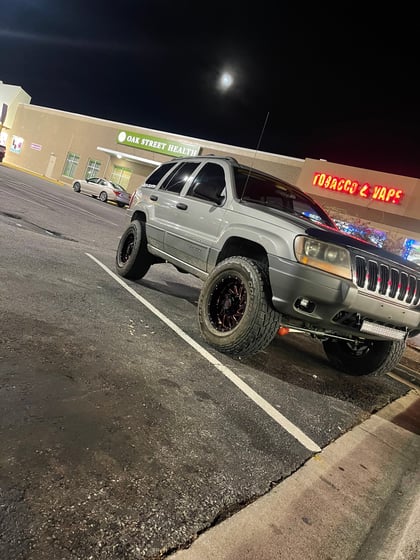
Lifted 2001 Jeep Grand Cherokee
Why Lift Your 2001 Jeep Grand Cherokee? Unveiling the Benefits
Lifting your WJ isn't just about aesthetics, although the improved look is definitely a bonus! The practical advantages are numerous and contribute significantly to both on and off-road capabilities.
- Increased Ground Clearance: This is the most obvious and arguably the most important benefit. More ground clearance means you can clear larger obstacles on the trail without scraping your undercarriage. Rocks, logs, and uneven terrain become far less daunting.
- Larger Tire Fitment: A lift kit creates space in the wheel wells, allowing you to install larger tires. Larger tires offer better traction, improved off-road grip, and a more commanding presence. They also effectively change your vehicle's gearing, which can be beneficial in certain situations.
- Improved Approach and Departure Angles: These angles determine how steep of an incline you can approach or descend without hitting your bumpers or other body parts. A lift kit, combined with larger tires, dramatically improves these angles, making your WJ more capable on challenging terrain.
- Enhanced Off-Road Performance: Combining the above factors, a lifted WJ simply performs better off-road. It can tackle more challenging trails, navigate obstacles with greater ease, and provide a more confident and enjoyable driving experience.
- Aggressive Aesthetics: Let's be honest, a lifted Jeep just looks good. It exudes a sense of ruggedness and capability, turning heads wherever you go. The visual appeal is a significant draw for many WJ owners.
Choosing the Right Lift Kit: A Deep Dive into Options
Selecting the appropriate lift kit is crucial for achieving your desired results and ensuring a safe and reliable setup. There are several types of lift kits available for the 2001 Jeep Grand Cherokee, each with its own pros and cons.
- Budget Boost (Coil Spacers): These are the most affordable option, typically involving the installation of spacers above the coil springs. They provide a modest lift (usually 1-3 inches) and are relatively easy to install.

- Pros: Inexpensive, simple installation, retains stock ride quality.
- Cons: Limited lift height, doesn't improve suspension performance, can cause coil spring bowing at higher lifts. Based on my experience, coil spacers are a good starting point for those on a tight budget, but they are not ideal for serious off-roading.
- Coil Spring Lift Kits: These kits replace the factory coil springs with longer, stiffer springs. They offer a more significant lift (2-4 inches) and can improve ride quality and handling compared to spacers.
- Pros: Improved ride quality, increased lift height, better off-road performance than spacers.
- Cons: More expensive than spacers, requires more involved installation, may require additional modifications (e.g., longer shocks). Pro tip: If you plan on doing some serious off-roading, a coil spring lift is the way to go.
- Long Arm Lift Kits: These are the most comprehensive and capable lift kits, typically involving replacing the factory control arms with longer arms that provide better articulation and axle positioning. They offer the highest lift heights (4+ inches) and significantly improve off-road performance.
- Pros: Maximum articulation, superior off-road performance, improved handling at higher speeds.
- Cons: Most expensive option, requires significant modification and fabrication, can affect on-road handling if not properly set up.
- Hybrid Kits: Some kits combine elements of different types of lifts, such as coil springs with extended shocks or coil spacers with control arm drop brackets. These can be a good compromise between cost and performance.

Factors to Consider When Choosing a Lift Kit:
- Intended Use: How do you plan to use your WJ? If it's primarily a daily driver with occasional off-road excursions, a budget boost or coil spring lift might suffice. If you're planning on tackling challenging trails, a long arm lift is the better choice.
- Budget: Lift kits range in price from a few hundred dollars for a budget boost to several thousand dollars for a long arm kit. Set a budget and stick to it.
- Tire Size: Determine the maximum tire size you want to run. This will dictate the amount of lift you need.
- Installation Difficulty: How comfortable are you with working on your vehicle? Some lift kits are relatively easy to install, while others require specialized tools and knowledge.
- Ride Quality: Consider how the lift kit will affect ride quality. Stiffer springs can improve handling but may also make the ride harsher.
- Brand Reputation: Research different lift kit manufacturers and choose a reputable brand with a proven track record.
Installation: A Step-by-Step Overview (General Guide)
Installing a lift kit can be a challenging but rewarding experience. It's crucial to follow the manufacturer's instructions carefully and to have the necessary tools and equipment. Disclaimer: This is a general overview and may not cover all aspects of every lift kit installation. Always refer to the specific instructions provided with your kit.
- Preparation: Gather all the necessary tools, including wrenches, sockets, a torque wrench, a jack, jack stands, and potentially a spring compressor. Read the instructions thoroughly and familiarize yourself with the process.
- Disassembly: Safely lift the vehicle and support it with jack stands. Remove the wheels, shocks, and sway bar links. Disconnect any brake lines or ABS wires that may be in the way.
- Spring Removal: Depending on the type of lift kit, you may need to remove the factory coil springs. Use a spring compressor if necessary to safely compress the springs.
- Component Installation: Install the new lift kit components, such as coil springs, spacers, shocks, and control arms. Torque all bolts to the manufacturer's specifications.
- Reassembly: Reconnect any brake lines or ABS wires. Reinstall the wheels and lower the vehicle.
- Alignment: After installing the lift kit, it's essential to get a professional wheel alignment. This will ensure proper handling and prevent premature tire wear.
Important Considerations During Installation:
- Safety First: Always prioritize safety when working on your vehicle. Use jack stands to support the vehicle and wear safety glasses.
- Torque Specifications: Torque all bolts to the manufacturer's specifications. This is crucial for ensuring proper component function and preventing failures.
- Brake Lines: Ensure that the brake lines are long enough and properly routed. You may need to extend or replace them if they are too short.
- ABS Wires: Be careful not to damage the ABS wires during installation.
- Track Bar: Depending on the lift height, you may need to install an adjustable track bar to center the axle.
Common Mistakes to Avoid:
- Using Incorrect Tools: Using the wrong tools can damage components and make the installation more difficult.
- Over-Tightening Bolts: Over-tightening bolts can strip threads and weaken components.
- Ignoring Torque Specifications: As mentioned earlier, torqueing bolts to the correct specifications is crucial.
- Skipping the Alignment: Failing to get a wheel alignment after installing the lift kit can lead to poor handling and premature tire wear.
- Not Researching the Kit: Make sure the lift kit you chose is correct for your Jeep model and year.
Beyond the Lift: Enhancing Performance and Reliability
Lifting your 2001 Jeep Grand Cherokee is just the first step. There are several other modifications you can make to further enhance its performance and reliability.
- Upgraded Shocks: Aftermarket shocks designed for lifted vehicles can significantly improve ride quality and handling. Bilstein, Rancho, and Fox are popular brands.
- Adjustable Track Bar: An adjustable track bar allows you to center the axle after installing a lift kit.
- Extended Sway Bar Links: Longer sway bar links can help maintain proper sway bar function after lifting the vehicle.
- Heavy-Duty Steering Components: Upgrading the steering components (e.g., tie rod, drag link) can improve steering response and durability, especially with larger tires.
- Re-Gearing: If you're running significantly larger tires, you may need to re-gear the axles to restore proper power and fuel economy.
- Skid Plates: Skid plates protect the undercarriage from damage when off-roading.
- Rock Sliders: Rock sliders protect the rocker panels from damage when navigating rocky terrain.
- Winch: A winch can be a lifesaver when you get stuck off-road.
Potential Drawbacks and How to Address Them
While lifting your WJ offers numerous benefits, it's important to be aware of potential drawbacks and how to mitigate them.
- Reduced Fuel Economy: Larger tires and increased weight can negatively impact fuel economy. Re-gearing can help offset this.
- Altered Handling: Lifting the vehicle can change its handling characteristics. Upgraded shocks and steering components can improve handling.
- Increased Wear and Tear: Larger tires and off-road driving can accelerate wear and tear on suspension components. Regular maintenance is essential.
- Driveline Vibrations: Lifting the vehicle can sometimes cause driveline vibrations. Installing a transfer case drop kit or a double cardan driveshaft can help alleviate this.
Maintaining Your Lifted WJ: Keeping It in Top Shape
Proper maintenance is crucial for ensuring the longevity and reliability of your lifted 2001 Jeep Grand Cherokee.
- Regular Inspections: Inspect the suspension components, steering components, and driveline regularly for signs of wear or damage.
- Grease Fittings: Grease all grease fittings regularly to keep the suspension components lubricated.
- Wheel Alignment: Get a wheel alignment periodically to ensure proper handling and prevent premature tire wear.
- Tire Rotation: Rotate the tires regularly to ensure even wear.
- Fluid Changes: Change the engine oil, transmission fluid, and differential fluid according to the manufacturer's recommendations.
Conclusion: The Lifted WJ – A Capable and Rewarding Platform
Lifting a 2001 Jeep Grand Cherokee (WJ) is a popular and rewarding modification that can significantly enhance its off-road capabilities and overall appeal. By carefully choosing the right lift kit, following proper installation procedures, and maintaining the vehicle properly, you can create a capable and reliable trail machine that will provide years of enjoyment. Remember to consider your intended use, budget, and desired tire size when selecting a lift kit. And always prioritize safety when working on your vehicle. With a little planning and effort, you can transform your WJ into the ultimate off-road adventure vehicle.
External Link to Jeep Grand Cherokee Specs (Example of external linking to a trusted source)
[Internal Link to Another Article on Jeep Maintenance] (Example of Internal Linking - Assuming you have another article)
By following this guide, you'll be well on your way to enjoying the benefits of a lifted 2001 Jeep Grand Cherokee. Happy trails!