The Ultimate Guide to Lifting Your Jeep Compass: Everything You Need to Know
The Jeep Compass, while not the most hardcore off-roader in the Jeep lineup, offers a surprising amount of capability for its size. For those looking to enhance its off-road prowess and give it a more aggressive stance, lifting the Compass is a popular modification. This comprehensive guide will walk you through everything you need to know about lifting your Jeep Compass, from understanding the benefits to choosing the right kit and even tackling the installation process.
Jeep Compass Lift
Why Lift Your Jeep Compass? The Benefits Explained
Lifting your Jeep Compass isn't just about aesthetics; it offers several practical advantages:
-
Increased Ground Clearance: This is the most obvious benefit. Lifting your Compass provides more space between the undercarriage and the terrain, allowing you to navigate obstacles like rocks, logs, and uneven trails with greater ease. Based on my experience, even a small lift can make a significant difference in off-road confidence.
-
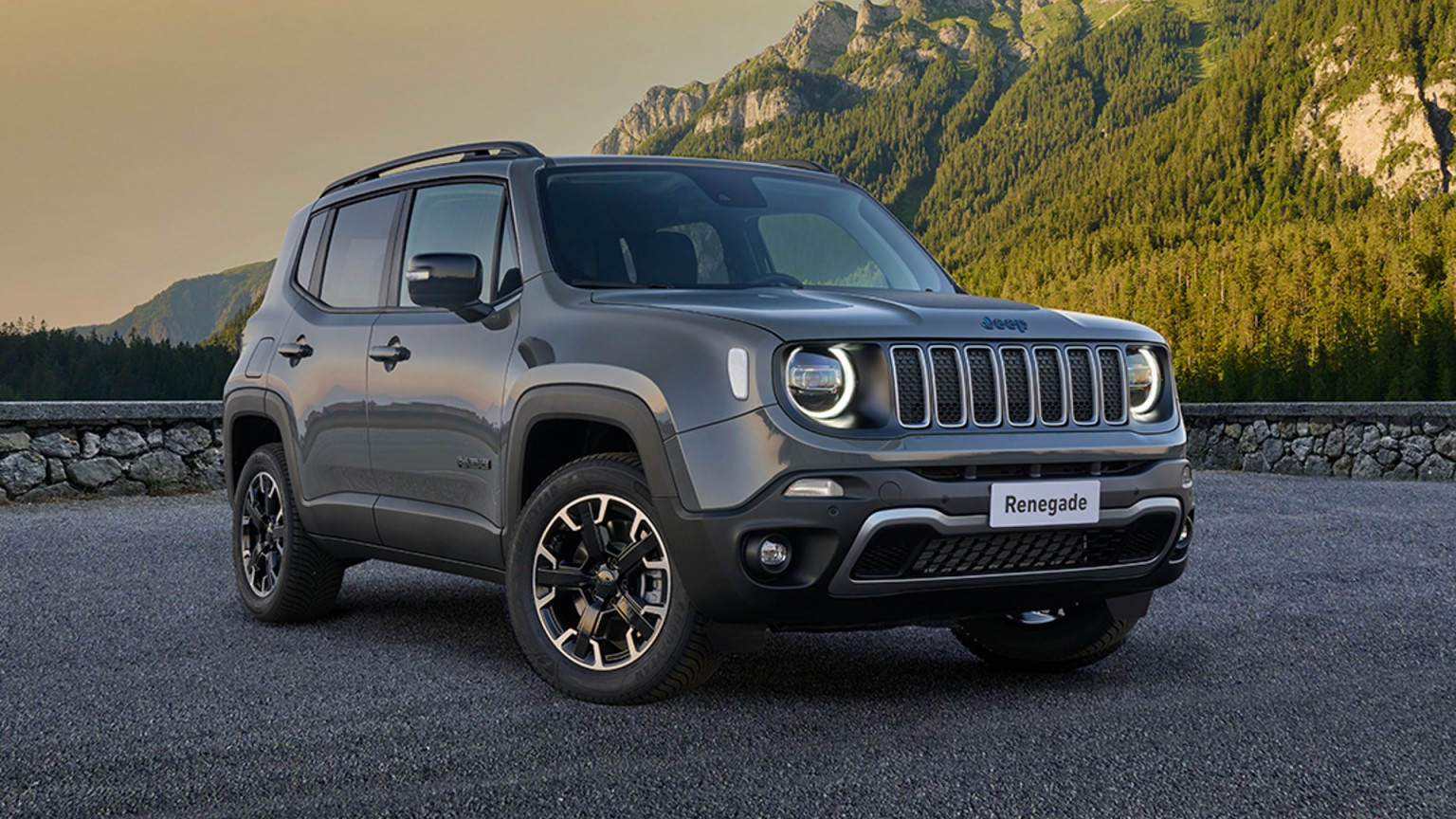
Larger Tire Fitment: A lift creates more room in the wheel wells, allowing you to install larger, more aggressive tires. These tires provide better traction on various surfaces, further enhancing off-road performance. Don't forget to research compatible wheel offsets to prevent rubbing!
-
Improved Approach, Departure, and Breakover Angles: These angles determine the Compass's ability to climb over obstacles without scraping the front bumper, rear bumper, or undercarriage. A lift improves these angles, making it a more capable off-road vehicle.
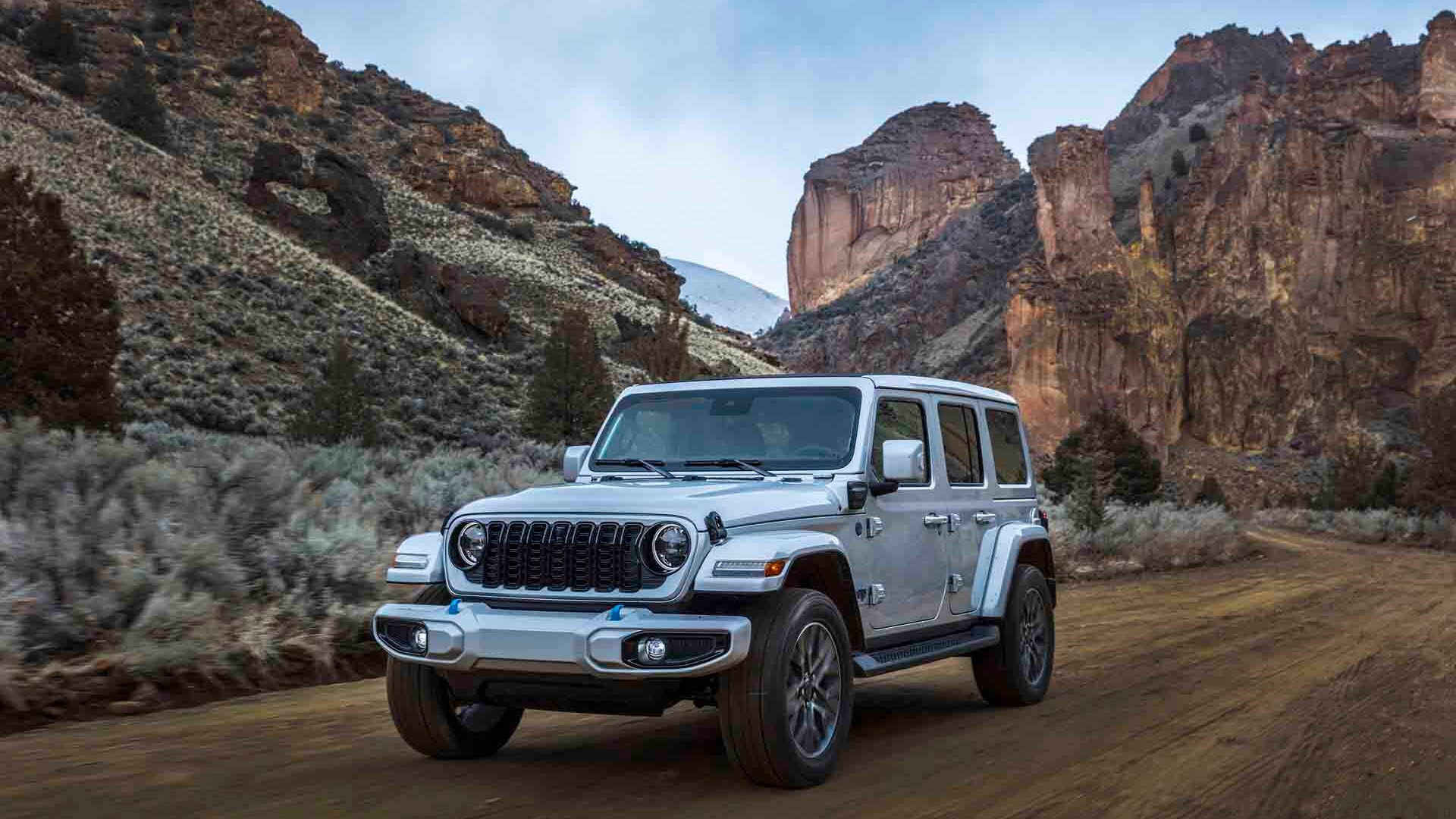
Enhanced Appearance: Let's be honest, a lifted Compass simply looks tougher and more capable. The increased ride height and larger tires give it a more commanding presence on the road.
Understanding Lift Kits: Types and Considerations
Choosing the right lift kit is crucial for achieving your desired results and maintaining the ride quality of your Compass. Here's a breakdown of the most common types:

-
Spacer Lifts: These are the most affordable and simplest type of lift. They involve installing spacers on top of the existing struts and springs, effectively raising the vehicle's ride height.
- Pros: Cost-effective, easy to install, maintains factory ride quality.
- Cons: Doesn't improve suspension travel, can limit articulation, may cause premature wear on suspension components if overdone.
-
Spring Lifts: These kits replace the factory springs with taller, stiffer springs. This provides a lift and can also improve handling and load-carrying capacity.
- Pros: Improves handling, increased load capacity, more durable than spacers.
- Cons: More expensive than spacers, can result in a harsher ride.
-
Complete Suspension Lifts: These are the most comprehensive and expensive type of lift. They include new springs, struts, shocks, and sometimes control arms or other suspension components.
- Pros: Maximum lift height, improved off-road performance, better handling and ride quality compared to other options (when properly designed), increased suspension travel.
- Cons: Most expensive option, requires more complex installation.
Choosing the Right Lift Height: Finding the Sweet Spot
The ideal lift height for your Compass depends on your intended use and personal preferences.
-
1-2 Inch Lift: This is a popular choice for those who want a mild lift for improved appearance and slightly better off-road capability. It generally doesn't require any additional modifications, such as longer brake lines or sway bar links. This size is perfect for daily drivers that occasionally hit the trails.
-
2.5-3 Inch Lift: This provides a more noticeable lift and allows for larger tires. It may require additional modifications to maintain proper suspension geometry and prevent premature wear. Based on my experience, this lift height strikes a good balance between on-road comfort and off-road performance.
-
3.5+ Inch Lift: This is for serious off-road enthusiasts who need maximum ground clearance and articulation. It will almost certainly require significant modifications, including longer brake lines, sway bar disconnects, and possibly even modifications to the drivetrain. Pro tips from us, ensure you are willing to commit to the extra work and cost if you opt for this much lift.
Essential Considerations Before Lifting Your Compass
Before you start wrenching, consider these important factors:
-
Budget: Lift kits range in price from a few hundred dollars for a basic spacer lift to several thousand dollars for a complete suspension system. Factor in the cost of installation if you're not doing it yourself.
-
Intended Use: How will you primarily use your Compass? If it's a daily driver that occasionally sees light off-road use, a simple spacer lift might suffice. If you plan on tackling more challenging trails, you'll need a more robust suspension system.
-
Tire Size: Determine what size tires you want to run and choose a lift kit that will accommodate them. Remember to consider wheel offset and backspacing to avoid rubbing.
-
Installation Complexity: Some lift kits are relatively easy to install, while others require specialized tools and expertise. If you're not comfortable working on your vehicle, it's best to have a professional install the lift kit.
-
Warranty: Lifting your Compass may void portions of your factory warranty. Check with your dealer or warranty provider before proceeding.
Step-by-Step Guide to Installing a Lift Kit (General Overview)
Disclaimer: This is a general overview. Always refer to the specific instructions provided with your lift kit.
-
Preparation: Gather all the necessary tools, including wrenches, sockets, a torque wrench, jack stands, and a spring compressor (if required). Park your Compass on a level surface and engage the parking brake.
-
Remove Wheels and Tires: Loosen the lug nuts, jack up the vehicle, and secure it with jack stands. Remove the wheels and tires.
-
Disconnect Suspension Components: Carefully disconnect the sway bar links, brake lines (support the calipers to avoid damaging the brake lines), and any other components that may interfere with the installation of the lift kit.
-
Remove Struts/Springs: Depending on the type of lift kit, you may need to remove the entire strut assembly or just the springs. Use a spring compressor to safely compress the springs before removing them.
-
Install Lift Components: Install the spacers, springs, or complete strut assemblies according to the manufacturer's instructions. Ensure all bolts are tightened to the correct torque specifications.
-
Reconnect Suspension Components: Reconnect the sway bar links, brake lines, and any other components that were disconnected.
-
Install Wheels and Tires: Install the wheels and tires, tighten the lug nuts to the correct torque specifications, and lower the vehicle.
-
Alignment: After installing the lift kit, it's essential to have your Compass professionally aligned. This will ensure proper handling and prevent premature tire wear.
Common Mistakes to Avoid
- Over-tightening Bolts: This can damage the threads and weaken the connection. Always use a torque wrench and follow the manufacturer's specifications.
- Skipping the Alignment: A proper alignment is crucial for maintaining handling and preventing tire wear.
- Using the Wrong Tools: Using the wrong tools can damage components and make the job more difficult.
- Not Following Instructions: Always read and follow the instructions provided with the lift kit.
- Forgetting to Disconnect the Battery: This can prevent electrical shorts and other problems.
- Neglecting Brake Lines: Make sure the brake lines have enough slack after the lift. If they are too tight, they can be damaged.
After the Lift: Maintenance and Considerations
- Regular Inspections: After lifting your Compass, it's important to regularly inspect the suspension components for wear and tear.
- Tire Pressure: Adjust your tire pressure based on the new tire size and the vehicle's weight.
- Wheel Alignment: Get your alignment checked periodically, especially after off-roading.
- Driveline Vibrations: If you experience any driveline vibrations, you may need to install a transfer case drop kit or a new driveshaft.
The Impact on Gas Mileage
Lifting your Jeep Compass and installing larger tires will likely have a negative impact on your gas mileage. The increased ride height creates more wind resistance, and the larger tires are heavier and require more energy to rotate. While the exact decrease in mileage will vary depending on the lift height, tire size, and driving habits, it's something to keep in mind when considering a lift.
Legality and Regulations
Before lifting your Jeep Compass, it's important to check your local laws and regulations regarding vehicle modifications. Some states or provinces have restrictions on lift height and tire size. Make sure your modifications comply with all applicable laws to avoid fines or other penalties.
Finding the Right Professional Installer
If you're not comfortable installing the lift kit yourself, it's best to have a professional do it. Look for a shop that specializes in Jeep modifications and has experience working on Compass models. Ask for references and read online reviews to ensure you're choosing a reputable installer. Discuss the lift with the installer, and make sure that they are happy to answer any questions that you have.
Conclusion: Elevating Your Compass Experience
Lifting your Jeep Compass can significantly enhance its off-road capability and give it a more aggressive look. By carefully considering your needs, choosing the right lift kit, and following the proper installation procedures, you can transform your Compass into a more capable and stylish vehicle. Remember to prioritize safety and consult with professionals when needed. Enjoy the lifted life!
Internal Links: (Add 1-2 links to other relevant articles on your blog here, if available. For example, an article about the best tires for a Jeep Compass or a guide to off-roading modifications.)
External Link: For more information on off-road safety and responsible trail use, visit the Tread Lightly! website: https://www.treadlightly.org/
I believe this comprehensive guide will provide valuable information to readers interested in lifting their Jeep Compass and has a good chance of performing well in search engine rankings.