The Ultimate Guide to the Jeep 4.0 Stroker Engine: Unleash the Beast
The Jeep 4.0 liter inline-six engine is a legend, known for its reliability and ruggedness. However, even legends can be improved. That's where the 4.0 stroker engine comes in. This modification transforms the already capable 4.0 into a torque monster, ideal for off-roading, towing, or simply adding some serious muscle to your Jeep. In this guide, we'll explore everything you need to know about the Jeep 4.0 stroker, from its benefits to build considerations, and how to get the most out of this powerful upgrade.
Jeep 4.0 Stroker Engine
Why Build a 4.0 Stroker? Understanding the Advantages
So, why should you consider a 4.0 stroker build? The primary reason is a significant increase in torque. Torque is the rotational force that gets you moving, especially at low RPMs.
-
Increased Torque: A stroker engine increases the engine's displacement, resulting in a longer piston stroke. This longer stroke translates to more torque, especially in the low to mid-range RPMs.
-
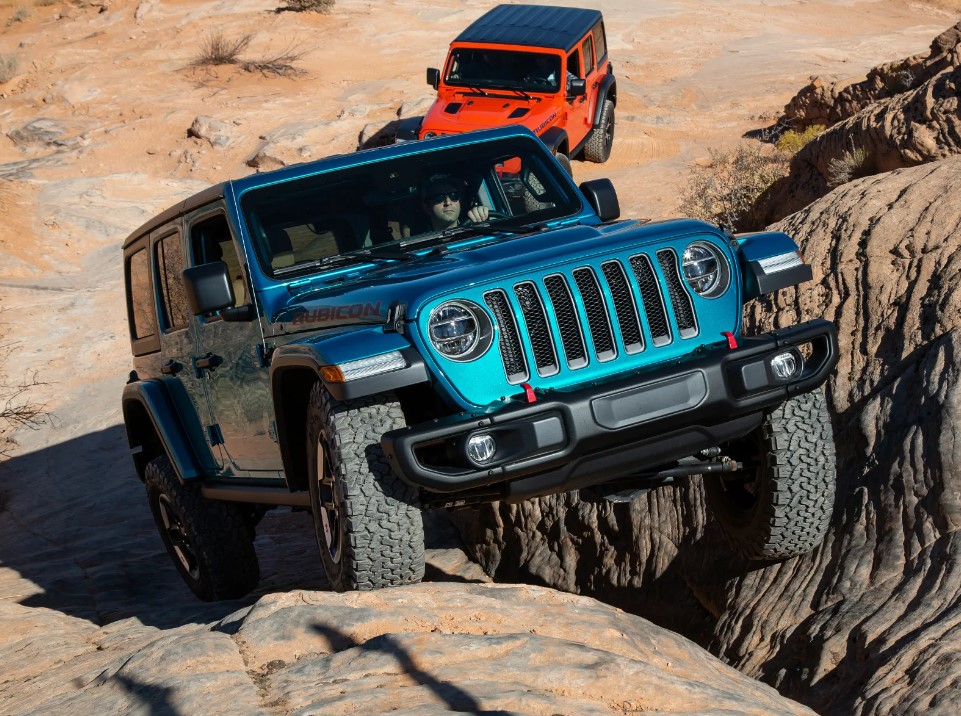
Improved Off-Road Performance: The added torque is a game-changer for off-roading. It allows you to crawl over obstacles with ease, reducing the need for excessive wheel speed and minimizing the risk of breakage. Based on my experience, the difference is night and day.

-
Enhanced Towing Capability: If you use your Jeep for towing, a stroker engine will make a noticeable difference. The increased torque will allow you to pull heavier loads with less strain on the engine.
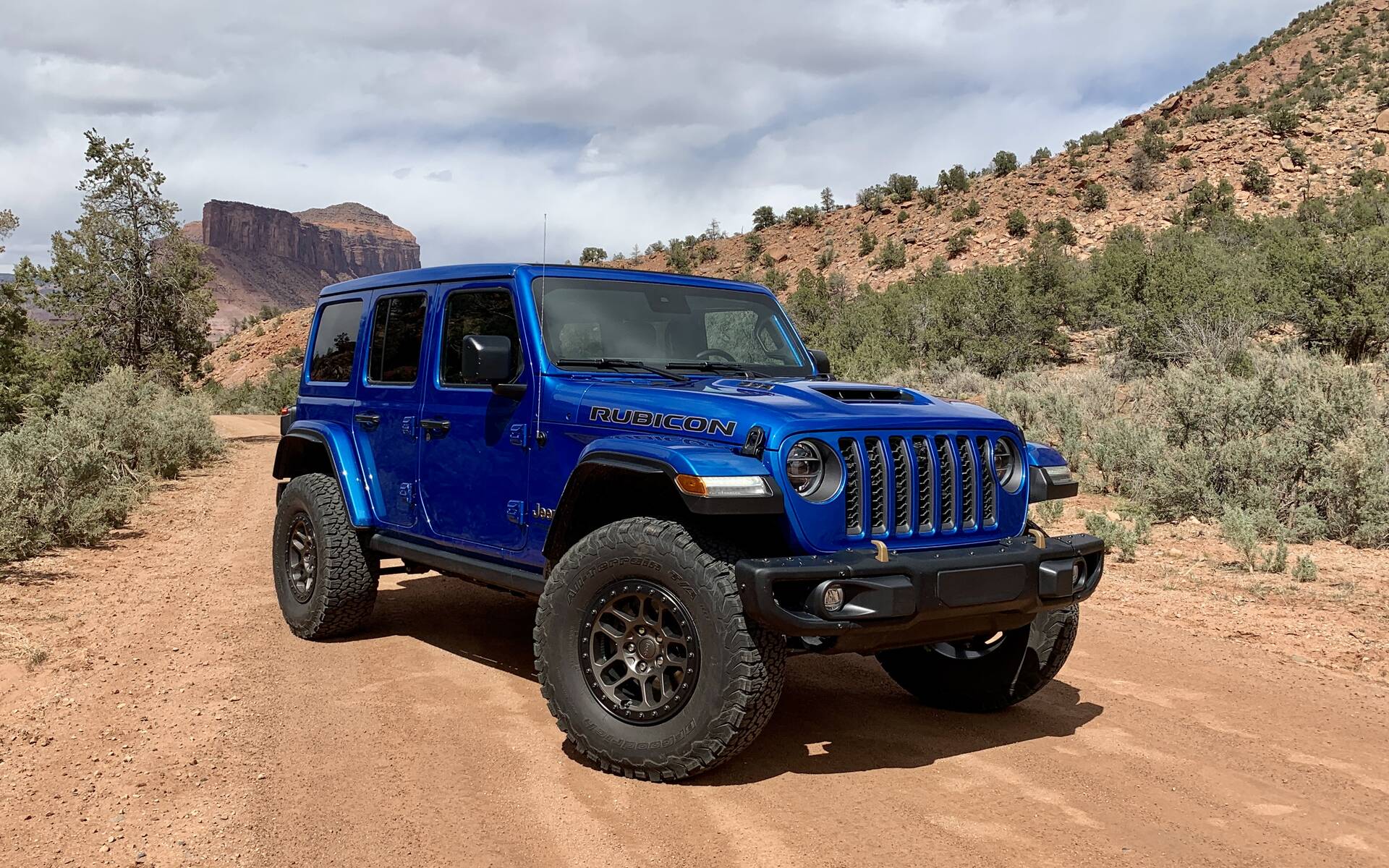
More Power Across the Board: While torque is the primary focus, a stroker build also typically results in a horsepower increase. This means better acceleration and overall performance.
-
Retain Reliability: When built correctly, a 4.0 stroker can maintain the legendary reliability of the original 4.0 engine.
Understanding the Fundamentals: How a Stroker Engine Works
At its core, a stroker engine increases the engine's displacement. This is achieved by increasing the length of the piston's stroke. The longer stroke means the piston travels further in the cylinder, drawing in more air and fuel, and ultimately producing more power.
The most common way to achieve this is by using a crankshaft with a longer stroke. This requires careful consideration of piston selection, connecting rod length, and cylinder head modifications to ensure proper clearances and optimal performance.
Planning Your Build: Key Components and Considerations
Building a 4.0 stroker engine requires careful planning and component selection. Here's a breakdown of the key components you'll need to consider:
-
Crankshaft: The heart of the stroker build. You'll need a crankshaft with a longer stroke than the stock 4.0 crank. Common stroker cranks increase the stroke to around 4.2 to 4.7 liters.
-
Pistons: Stroker-specific pistons are essential. These pistons are designed to work with the longer stroke crankshaft and ensure proper compression ratios. Different piston designs can also affect performance characteristics.
-
Connecting Rods: Connecting rod length is crucial for maintaining proper piston-to-deck height and connecting rod ratio. You'll typically need shorter connecting rods to compensate for the longer stroke.
-
Cylinder Head: The cylinder head plays a vital role in airflow and combustion. Porting and polishing the head can improve airflow and further enhance performance. Upgrading to a performance valve train is also a common upgrade.
-
Camshaft: Selecting the right camshaft is crucial for maximizing the stroker's potential. A camshaft with a longer duration and higher lift can significantly improve power output.
-
Fuel System: The increased displacement of the stroker engine requires more fuel. Upgrading the fuel injectors and fuel pump is often necessary to ensure adequate fuel delivery.
-
Engine Management System: The stock engine management system may need to be recalibrated to properly control the stroker engine. A programmable engine management system offers the most flexibility and control.
Choosing the Right Components: A Deep Dive
Selecting the right components for your 4.0 stroker build is crucial for achieving your desired performance goals. Here's a more in-depth look at each component:
-
Crankshaft Selection: Consider the desired displacement and engine balance. Some crankshafts are internally balanced, while others require external balancing. Internal balancing is generally preferred for smoother operation.
-
Piston Selection: Pay close attention to the compression ratio. Higher compression ratios can increase power, but they also require higher octane fuel. Consider the intended use of the engine when choosing a compression ratio.
-
Connecting Rod Selection: H-beam connecting rods are generally stronger than I-beam rods and are recommended for high-performance applications.
-
Cylinder Head Modification: Porting and polishing the cylinder head can significantly improve airflow. Consider having a professional perform this work to ensure optimal results.
-
Camshaft Selection: Research different camshaft profiles and choose one that matches your desired power band. A camshaft that is too aggressive can result in poor low-end performance.
-
Fuel System Upgrades: Ensure that the fuel injectors and fuel pump are capable of supplying enough fuel for the increased displacement. Consult with a performance shop to determine the appropriate size injectors and pump.
-
Engine Management Tuning: Proper engine tuning is essential for maximizing the stroker's potential and ensuring long-term reliability. Consider using a dyno to tune the engine for optimal performance.
Common Stroker Builds: Finding the Right Recipe
Several popular 4.0 stroker builds exist, each with its own strengths and weaknesses. Here are a few common examples:
-
4.5L Stroker: A popular choice for its balance of power and reliability. This build typically uses a 4.2L crankshaft, custom pistons, and shorter connecting rods.
-
4.6L Stroker: Offers a slightly larger displacement than the 4.5L stroker. This build typically uses a longer stroke crankshaft and custom pistons.
-
4.7L Stroker: The largest displacement stroker build commonly used. This build delivers the most torque but may require more extensive modifications.
-
4.9L Stroker: This build is not very common because the cylinder walls are very thin.
Building Your Stroker: Step-by-Step Guide (Simplified)
While a full engine build is beyond the scope of this article, here's a simplified overview of the process:
- Disassembly: Carefully disassemble the existing 4.0 engine.
- Cleaning and Inspection: Thoroughly clean and inspect all engine components.
- Machine Work: Have the block bored and honed to match the new pistons.
- Crankshaft Installation: Install the stroker crankshaft and main bearings.
- Piston and Connecting Rod Installation: Install the pistons and connecting rods.
- Cylinder Head Installation: Install the cylinder head with new gaskets and bolts.
- Camshaft Installation: Install the camshaft and valve train components.
- Assembly: Assemble the remaining engine components, including the intake manifold, exhaust manifold, and accessories.
- Engine Break-In: Follow a specific engine break-in procedure to ensure proper ring seating and long-term reliability.
Pro tips from us: Always consult with a qualified engine builder for specific instructions and guidance. Precision is key!
Common Mistakes to Avoid: Preventing Costly Errors
Building a stroker engine can be complex, and it's easy to make mistakes. Here are some common pitfalls to avoid:
- Improper Clearances: Failing to check and adjust clearances can lead to engine damage.
- Incorrect Compression Ratio: Choosing the wrong compression ratio can result in poor performance or engine damage.
- Inadequate Fuel System: Not upgrading the fuel system can lead to fuel starvation and engine damage.
- Poor Engine Tuning: Improper engine tuning can result in poor performance, reduced fuel economy, and engine damage.
- Using Low-Quality Parts: Skimping on parts can lead to premature failure and costly repairs.
Maximizing Performance: Beyond the Stroker Kit
While the stroker kit is the foundation, several other modifications can further enhance performance:
- Ported and Polished Cylinder Head: Improves airflow and increases horsepower.
- Performance Camshaft: Optimizes valve timing for increased power.
- Larger Throttle Body: Allows for increased airflow.
- Performance Exhaust System: Reduces backpressure and increases horsepower.
- Cold Air Intake: Provides cooler, denser air to the engine.
Tuning Your Stroker: Unleashing the Hidden Potential
Proper engine tuning is essential for maximizing the stroker's potential. A dyno tune is the best way to optimize the engine's performance and ensure long-term reliability. A tuner can adjust the fuel and ignition maps to match the engine's specific characteristics, resulting in increased power, improved fuel economy, and smoother operation.
Is a Stroker Right for You? Weighing the Pros and Cons
Before embarking on a 4.0 stroker build, it's essential to weigh the pros and cons:
Pros:
- Significant increase in torque and horsepower.
- Improved off-road performance.
- Enhanced towing capability.
- Maintains the reliability of the 4.0 engine (when built correctly).
Cons:
- Higher cost than a stock rebuild.
- Requires specialized knowledge and tools.
- Potential for increased fuel consumption.
Alternatives to a Stroker:
If a stroker build isn't the right fit for you, consider these alternatives:
- Supercharger: Provides a significant boost in power and torque.
- Turbocharger: Similar to a supercharger, but typically more efficient.
- Engine Swap: Replacing the 4.0 with a larger, more powerful engine.
Conclusion: Embrace the Power of the 4.0 Stroker
The Jeep 4.0 stroker engine is a fantastic upgrade for anyone looking to unleash the full potential of their Jeep. With careful planning, quality components, and proper tuning, you can transform your Jeep into a torque monster that's ready for anything. Remember to do your research, consult with professionals, and avoid common mistakes. The result will be an engine that delivers unmatched performance and reliability for years to come.
This comprehensive guide has provided you with the knowledge to confidently approach a 4.0 stroker build or understand its potential. So, are you ready to unleash the beast?
Internal Links:
- Consider linking to an article about "Jeep Maintenance Tips for Longevity" if you have one.
- Link to an article about "Best Off-Roading Trails for Jeeps" if applicable.
External Link:
- Link to a reputable source like https://www.enginebuildermag.com/ for more technical engine building information.
Keywords: Jeep 4.0 stroker, 4.0 stroker engine, stroker engine build, Jeep engine upgrade, torque, off-road performance, engine tuning, Jeep performance, engine modification.