The 2005 Jeep Grand Cherokee is a legend. It's a vehicle known for its blend of on-road comfort and off-road capability. But if you're like me, you're always looking for ways to push your Jeep's limits. One of the best ways to enhance its off-road prowess and give it a more aggressive stance is by installing a lift kit.
Choosing the right lift kit for your 2005 Grand Cherokee (WJ) can be daunting. There are countless options available, each with its own pros and cons. This comprehensive guide will walk you through everything you need to know to make an informed decision and transform your Jeep into the ultimate adventure machine. We will cover lift types, pros and cons, installation tips, and much more.
Conquer Any Terrain: The Ultimate Guide to Choosing the Right Lift Kit for Your 2005 Jeep Grand Cherokee
Why Lift Your 2005 Jeep Grand Cherokee?
Lifting your WJ isn't just about aesthetics. It's about unlocking its full potential. Here are some compelling reasons to consider a lift kit:
-
Increased Ground Clearance: This is the most obvious benefit. A lift kit raises the body of your Jeep, allowing you to clear larger obstacles on the trail.
-
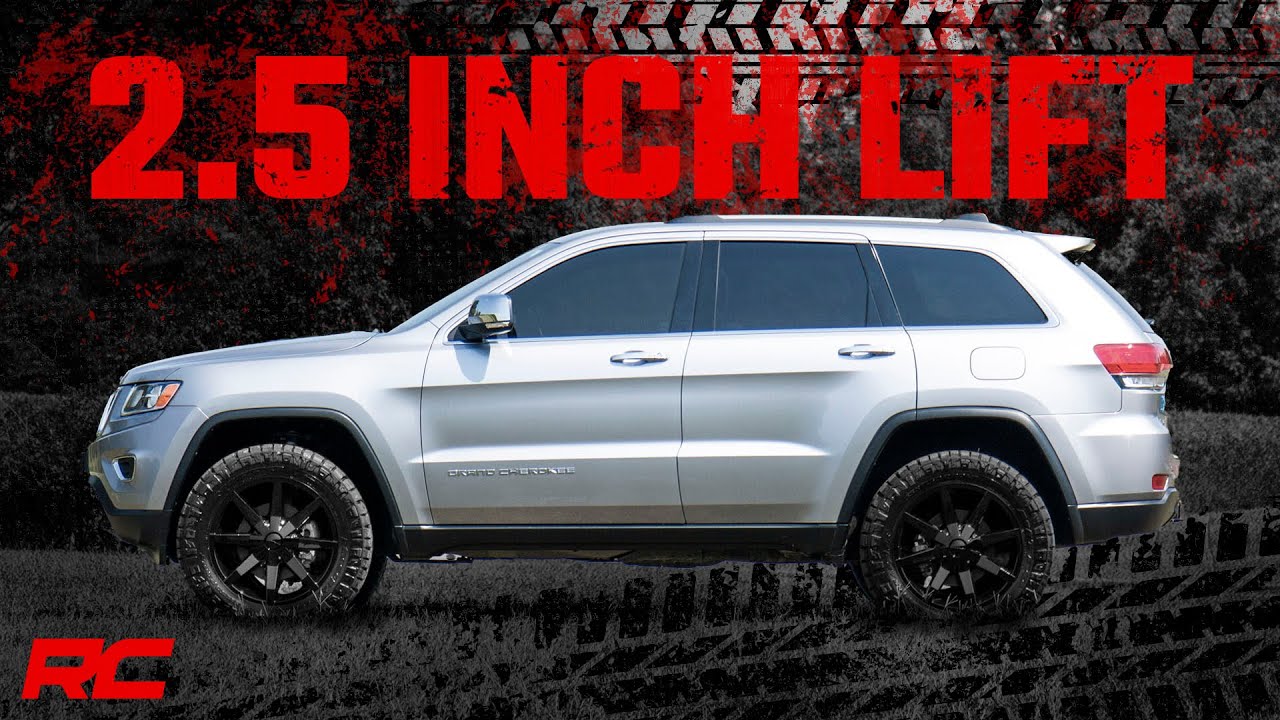
Larger Tires: More ground clearance means you can fit bigger, more aggressive tires. Larger tires provide better traction, improved off-road performance, and a more rugged look.
-
Improved Approach and Departure Angles: Lift kits improve the angles at which your Jeep can approach and depart obstacles, reducing the risk of scraping or damaging your bumpers.
Enhanced Off-Road Capability: Overall, a lift kit significantly enhances your Jeep's off-road capabilities, allowing you to tackle more challenging terrain.
-
Aggressive Aesthetics: Let's be honest, a lifted Jeep looks fantastic. It gives your vehicle a more commanding presence and sets it apart from the crowd.


Types of Lift Kits for the 2005 Jeep Grand Cherokee (WJ)
Understanding the different types of lift kits is crucial for making the right choice. Here's a breakdown of the most common options for your 2005 WJ:
-
Budget Boost (Spacer Lift):
- Description: This is the most affordable and simplest type of lift kit. It uses polyurethane or aluminum spacers that are installed on top of your existing coil springs.
- Pros: Inexpensive, easy to install, and doesn't significantly alter the ride quality.
- Cons: Doesn't improve suspension performance, limited lift height (typically 2 inches or less), and can cause coil spring bowing at higher lift amounts.
- Best For: Those on a tight budget who want a slight increase in ground clearance and the ability to run slightly larger tires.
-
Coil Spring Lift:
- Description: This type of lift kit replaces your factory coil springs with longer, stiffer springs.
- Pros: Provides a more significant lift than a budget boost, improves suspension performance, and offers better ride quality than spacers.
- Cons: More expensive than a budget boost, requires more involved installation, and can affect handling if not properly matched to your vehicle's weight and intended use.
- Best For: Those who want a moderate lift (2-4 inches) and improved off-road performance without breaking the bank.
-
Long Arm Lift Kit:
- Description: This is the most comprehensive and capable type of lift kit. It replaces your factory control arms with longer arms, which improve suspension geometry and articulation.
- Pros: Provides the best off-road performance, allows for maximum articulation, and offers a smoother ride than shorter arm kits.
- Cons: Most expensive type of lift kit, requires significant modification to the vehicle, and typically requires professional installation.
- Best For: Serious off-road enthusiasts who want the ultimate in performance and are willing to invest the time and money to achieve it.
-
Add-a-Leaf Lift:
- Description: This type of lift kit adds an extra leaf spring to your existing leaf spring pack (if your vehicle has leaf springs).
- Pros: Relatively inexpensive, increases load capacity, and provides a moderate lift.
- Cons: Can result in a stiff ride, doesn't improve articulation, and can cause axle wrap.
- Best For: Vehicles with leaf springs (typically not found on the WJ Grand Cherokee, but included for completeness) that need increased load capacity and a slight lift.
Choosing the Right Lift Height
The amount of lift you need depends on your intended use and the size of tires you want to run. Here's a general guideline:
-
2-Inch Lift: This is a good option for those who want a modest increase in ground clearance and the ability to run 30-31 inch tires. It's also a good choice for those who primarily drive on the road but occasionally venture off-road.
-
3-4 Inch Lift: This is a popular choice for those who want a more aggressive look and the ability to run 32-33 inch tires. It provides a significant increase in off-road capability while still maintaining reasonable on-road manners.
-
4.5-6 Inch Lift: This is for serious off-roaders who want to run 35-inch or larger tires. It requires significant modifications to the vehicle, including longer control arms, upgraded steering components, and possibly driveshaft modifications.
-
Pro Tip: Consider the overall diameter of the tire, not just the stated size. Tire sizes can vary slightly between manufacturers.
Key Components of a Lift Kit
A lift kit typically includes the following components:
-
Coil Springs or Spacers: These provide the actual lift.
-
Shocks: Longer shocks are necessary to accommodate the increased suspension travel.
-
Control Arms (Long Arm Kits): These replace the factory control arms to improve suspension geometry.
-
Track Bar or Track Bar Bracket: This centers the axle under the vehicle.
-
Sway Bar Disconnects (Optional): These allow for increased articulation off-road.
-
Brake Line Extensions: These prevent the brake lines from being stretched too tight.
-
Bump Stops: These prevent the suspension from bottoming out.
Installation Considerations
Installing a lift kit can be a challenging task, especially for those with limited mechanical experience. Here are some important considerations:
-
Skill Level: Honestly assess your mechanical skills. If you're not comfortable working on your vehicle's suspension, it's best to have a professional install the lift kit.
-
Tools: You'll need a variety of tools, including a jack, jack stands, wrenches, sockets, and possibly a coil spring compressor.
-
Time: Installing a lift kit can take several hours, or even a full day, depending on the complexity of the kit and your experience level.
-
Alignment: After installing a lift kit, it's essential to have your vehicle aligned to ensure proper handling and tire wear.
-
Safety: Always prioritize safety when working on your vehicle. Use jack stands to support the vehicle and wear safety glasses to protect your eyes.
-
Common Mistakes to Avoid: One common mistake is not disconnecting the sway bar links before attempting to remove the coil springs. This can damage the sway bar and make it difficult to remove the springs. Another mistake is not properly torquing the bolts after installation. This can lead to loose components and potential safety hazards.
Choosing the Right Tires for Your Lifted WJ
Once you've installed your lift kit, you'll want to choose the right tires to maximize its benefits. Here are some factors to consider:
-
Tire Size: Choose a tire size that is appropriate for your lift height and intended use.
-
Tire Type: Consider the type of terrain you'll be driving on. All-terrain tires are a good choice for those who primarily drive on the road but occasionally venture off-road. Mud-terrain tires are designed for extreme off-road conditions.
-
Load Rating: Make sure the tires you choose have a load rating that is sufficient for your vehicle's weight.
-
Tire Pressure: Experiment with different tire pressures to find the optimal balance between ride quality and traction.
-
Based on my experience: I've found that running slightly lower tire pressures off-road can significantly improve traction.
Maintaining Your Lifted Jeep
After installing a lift kit, it's important to maintain your vehicle properly to ensure its longevity and performance. Here are some tips:
-
Regular Inspections: Inspect your suspension components regularly for wear and tear.
-
Lubrication: Lubricate the grease fittings on your suspension components regularly.
-
Alignment Checks: Have your vehicle aligned periodically to ensure proper handling and tire wear.
-
Tire Rotations: Rotate your tires regularly to ensure even wear.
-
Pro tips from us: Pay close attention to your ball joints and control arm bushings. These components are often subjected to increased stress after a lift kit is installed.
Popular Lift Kit Brands for the 2005 Jeep Grand Cherokee (WJ)
Several reputable brands offer lift kits for the 2005 Jeep Grand Cherokee (WJ). Some of the most popular include:
-
Rough Country: Known for their affordable and durable lift kits.
-
Teraflex: Offers a wide range of lift kits, from budget-friendly options to high-performance long arm kits.
-
Old Man Emu (OME): Renowned for their high-quality suspension components and excellent ride quality.
-
Iron Rock Off Road: Specializes in Jeep suspension systems and offers a variety of lift kits for the WJ.
-
Skyjacker: Another well-known brand that offers a variety of lift kits for Jeeps and other off-road vehicles.
Conclusion: Elevate Your Adventure
Lifting your 2005 Jeep Grand Cherokee is a fantastic way to enhance its off-road capabilities and give it a more aggressive look. By understanding the different types of lift kits, choosing the right lift height, and considering the installation and maintenance requirements, you can transform your Jeep into the ultimate adventure machine. Remember to prioritize safety and choose a lift kit that is appropriate for your skill level and intended use. With the right lift kit and tires, your WJ will be ready to conquer any terrain. Consider checking out reputable off-road forums and communities for advice and reviews before making your final decision. (External Link: https://www.jeepforum.com/)
And if you are looking for other ways to improve your Jeep's performance, check out our guide on [Jeep Grand Cherokee Performance Upgrades](Internal Link).
Remember to always consult with a qualified mechanic or off-road specialist before making any modifications to your vehicle. Happy trails!